Car insurance for first time drivers is expensive. There is no way to sugarcoat that. A 17-year-old male driver in most states will pay somewhere between $3,000 and $6,000 per year for full coverage. Even adding a teen to an existing family policy often adds $1,500 to $2,500 annually.
Parents who want current dollar ranges, state examples, and comparison tactics should also read how much car insurance goes up after adding a teen driver in 2026.
The good news is that the gap between what you will pay if you just go with whatever your parents have and what you could pay if you shop strategically can be $800 to $1,500 per year. This guide explains why rates are so high, what coverage you actually need, and the specific moves that will lower your bill.
Why First-Time Driver Insurance Is So Expensive
Insurers price risk. Drivers under 25 - especially males between 16 and 19 - have statistically much higher accident rates than any other demographic. The Insurance Institute for Highway Safety reports that teen drivers are nearly three times more likely to be involved in a fatal crash per mile driven than drivers 20 and older.
That is not a judgment about any individual young driver. It is a statistical pattern that insurance companies use because it is accurate across large populations. Until you have a few years of clean driving history behind you, you are priced as part of that high-risk group regardless of how careful you actually are.
The good news: rates drop meaningfully at 18, again at 21, and significantly at 25 for most drivers. If you can maintain a clean record - no accidents, no tickets - you will see your rates fall fairly quickly as you age out of that high-risk bracket.
Stay on Your Parents' Policy or Get Your Own?
For most drivers under 21, staying on a parent's policy is significantly cheaper. Adding a teen to a parent's existing policy usually costs less than that teen buying their own standalone policy. The parent's multi-car discount, multi-policy discount, and long claims-free history all pull the rate down for everyone on the policy.
There are a few situations where a separate policy might make sense. If your parents have a poor driving record, their high rates will pull yours up when you are added. If you own your car outright and it is registered in your name, some insurers require a separate policy. If you are living in a different state than your parents - common for college students - you may need your own policy in your state of residence.

What Coverage Do You Actually Need?
Every state requires minimum liability coverage - this pays for damage and injuries you cause to other people. State minimums vary widely: California requires 15/30/5 (meaning $15,000 per person injured, $30,000 per accident, $5,000 property damage). New York requires 25/50/10. These minimums are often too low for real-world accidents but they are the legal floor.
If you financed your car, your lender requires collision and comprehensive coverage. Collision pays to fix your car after an accident. Comprehensive covers theft, vandalism, weather events, and animal strikes. Together with liability, this is called "full coverage."
If you paid cash for an older car worth less than $5,000, skipping collision and comprehensive saves money. But think about whether you could afford to replace the car out of pocket if it were totaled. If the answer is no, keep the coverage. For a car worth $3,000 with a $1,000 deductible, the insurance company would only pay out $2,000 max - which may or may not be worth the extra premium.
Understanding how deductibles work is key to picking the right coverage level. Our guide on how to choose the right car insurance deductible walks through the math in detail.
6 Ways to Actually Lower Your Rate as a New Driver
Good student discount. Most insurers offer 5 to 25 percent off for full-time students maintaining a B average or higher (typically a 3.0 GPA). If you qualify, ask every insurer you quote for this discount. State Farm's Good Student Discount can save around 25 percent. GEICO's good student discount is typically around 15 percent.
Driver education course. Completing a state-approved driver's ed course cuts rates at most companies. Some states mandate the discount by law. Even if yours does not, ask - most companies give it voluntarily. You might save $50 to $200 per year just for taking a weekend course.
Telematics app. Programs like Progressive's Snapshot, State Farm's Drive Safe and Save, and GEICO's DriveEasy track your actual driving behavior using your phone's sensors. If you drive safely - smooth braking, no late-night driving, no phone use - you can earn discounts of 10 to 30 percent off your rate. For a new driver who actually is cautious, this is one of the best tools available.
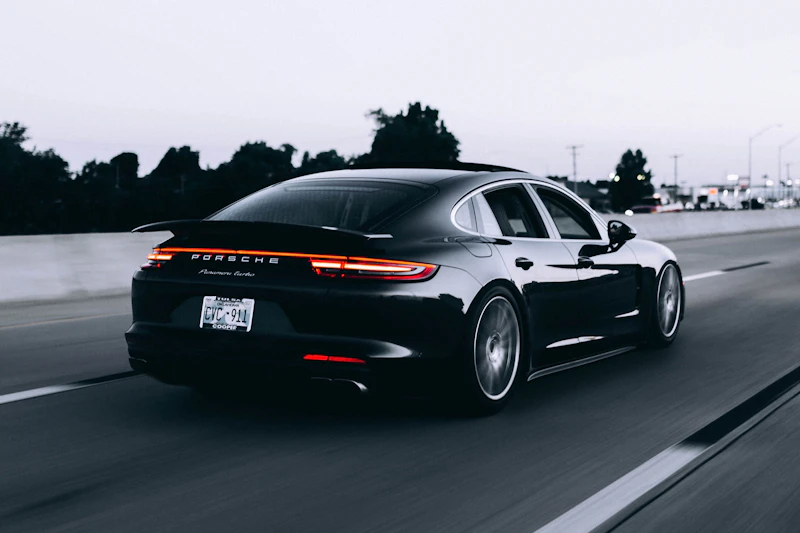
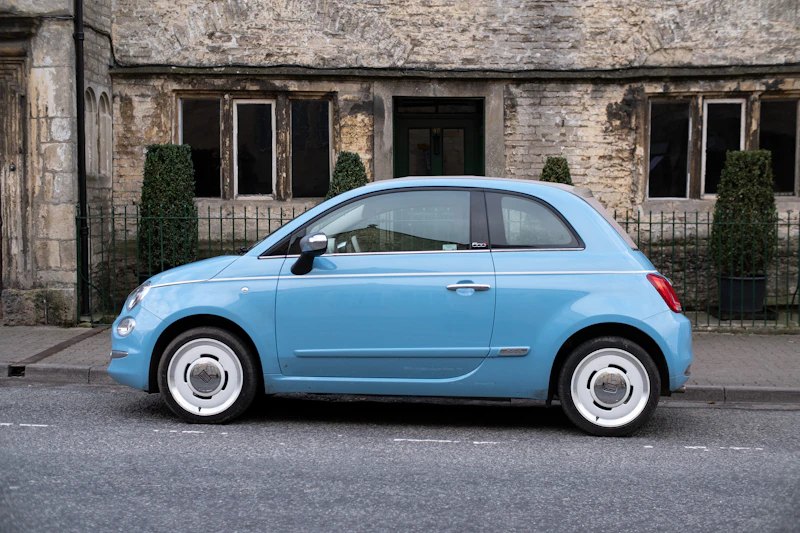
Choose the right car. The car you drive affects your rate significantly. A Honda Civic costs much less to insure than a BMW 3 Series. A Subaru Outback costs less than a Ford Mustang. SUVs and minivans often have lower rates than sports cars or performance vehicles. Before buying a car, call your insurer and get a quote for that specific year, make, and model.
Shop multiple companies. Price variation between insurers for the exact same driver is enormous. One company might quote a 17-year-old $4,200 per year while another quotes $2,800 for identical coverage. Get quotes from at least four different companies before choosing. Erie Insurance, GEICO, and State Farm consistently rank well for young drivers in terms of price - but local and regional insurers sometimes beat them.
Pay annually instead of monthly. Paying your premium in a lump sum annually rather than monthly installments typically saves 5 to 10 percent. Insurers charge a processing fee for monthly payments. If you can set aside the money, this one move saves $100 to $300 per year with no change to your coverage.
The Telematics Question: Is the Privacy Trade-Off Worth It?
Telematics programs track where you drive, when you drive, how hard you brake, and sometimes whether you are using your phone. Some people are uncomfortable with this level of monitoring. That is a legitimate concern.
For young drivers specifically, the financial upside is significant. A 10 to 30 percent discount on a $3,000 annual premium saves $300 to $900 per year. Over two to three years while you build your driving record, that is real money.
One practical note: some programs can raise your rate if your driving data looks bad. Before enrolling, ask the insurer whether the program can result in a higher rate or only a discount. Most programs are discount-only, but a few can cut both ways.
When You Move Out or Go to College
If you go to college more than 100 miles from home without taking a car, ask about the "student away at school" discount. Many insurers cut the rate significantly because you are statistically driving much less. Some companies reduce the premium by 25 to 35 percent for students living on campus without a car.
When you eventually move out and need your own policy, shop around rather than just staying with whatever your parents use. Get at least three to four quotes. You will likely find that your rates have improved significantly once you have two to three years of clean driving history, and some companies will reward that record more generously than others.
The broader set of discount tactics in our guide on how to lower car insurance rates applies to everyone - including young drivers who have already gotten their first policy and are looking to bring the cost down further.