You drive for DoorDash a few nights a week. Your personal auto insurance is paid up. You feel covered. You're not. The moment you open the app and start waiting for orders, most standard personal auto policies stop covering you. The platforms don't fully cover you yet either. There's a window, Period 1, where you're on the road driving for pay and essentially unprotected. This guide breaks down exactly how the gaps work, what each major platform actually provides, and the three practical options for closing the hole.
If you carry passengers for Uber or Lyft instead of food, the same three-period logic applies but contracts differ. Read our companion guide on rideshare insurance for Uber and Lyft, then confirm with your carrier whether you need a rideshare endorsement, a delivery add-on, or both if you mix rides and meals.
Free & No Obligation
Compare Rates From Insurers That Cover Gig Drivers
See quotes from 20+ top insurers in minutes. Many offer delivery endorsements for under $25/month.
Compare Quotes Now →Takes under 2 minutes · No spam
Your Personal Auto Policy Has a Business Use Exclusion
Standard personal auto insurance covers everyday personal driving: commuting, errands, visiting family. The moment you use your car to earn money, you cross into a different category. Every standard US policy includes some version of a "business use exclusion." The exact language varies, but it typically reads that coverage does not apply while the vehicle is being used to carry persons or property for a fee.
What the Exclusion Actually Says
Some policies go further and explicitly exclude any use of the vehicle "in connection with a transportation network company." That phrase is designed to cover Uber, Lyft, DoorDash, Instacart, Uber Eats, and every similar platform.
When Coverage Disappears
Your personal insurance stops covering you the second you activate the delivery app. This isn't a gray area for most insurers. If you have an at-fault accident while waiting for a DoorDash ping, and your insurer discovers you were logged in, they can and very likely will deny the claim. Insurers check. They pull telematics data, receipts, and platform records during claims investigations.
The Three Coverage Periods Every Gig Driver Faces
The insurance industry divides delivery and rideshare work into three periods. Understanding them is the whole ballgame.
| Period | Status | Personal Policy | Platform Coverage |
|---|---|---|---|
| Period 0 | App off | Full coverage | N/A |
| Period 1 | App on, waiting | Excluded | None (most platforms) |
| Period 2 | Order accepted, en route | Excluded | Partial (varies by platform) |
| Period 3 | Delivery in progress | Excluded | Strongest coverage |
Period 1 Is the Danger Zone
Period 1 is where drivers get hurt. You're on the road. You're available for commercial work. Your personal insurer excludes you. And the platform hasn't activated its coverage yet because you haven't accepted anything. If anything goes wrong during Period 1, you're on the hook for everything.
Quick Action
Find Insurers That Offer Delivery Endorsements
GEICO, Progressive, and State Farm all offer add-ons. Compare which has the best rate for your situation.
See Rates Now →Takes under 2 minutes · No spam
What DoorDash, Uber Eats, and Instacart Actually Provide
Platform coverage sounds reassuring. In practice it's more limited than most drivers realize.
- DoorDash: $1M third-party liability during active delivery (Period 2-3). No Period 1 liability. Contingent collision and comprehensive with a $1,000 deductible, which only kicks in if you don't have collision coverage on your personal policy.
- Uber Eats: Mirrors Uber rideshare. Limited $50K/$100K liability in Period 1. $1M during delivery. Contingent collision/comp with a $1,000 deductible.
- Instacart: Commercial auto coverage during active delivery through a third-party provider. No Period 1 coverage. Deductibles of $2,500 or more in some states.
- GrubHub: Drivers are independent contractors. GrubHub provides no coverage for driver vehicles.
The pattern is consistent: platforms cover you when you're actively generating revenue for them. The gap is always Period 1. Understanding this is why a dash cam matters for every delivery driver. If an accident happens and you're disputing fault, having footage is the difference between a denied claim and a paid one. See our guide on what to do after a car accident for exactly what to document at the scene.
As an Amazon Associate we earn from qualifying purchases. This does not affect what you pay.

Editor Pick
Vantrue N4 3-Channel Dash Cam
From $150-$200
Records front, interior, and rear simultaneously. Solid video evidence for contesting fault claims, especially important for delivery drivers who need documentation of every trip.
Check Current Price on AmazonThree Ways to Close the Coverage Gap
1. Add a Rideshare or Delivery Endorsement (Best for Most Drivers)
This is the simplest and cheapest fix. GEICO, Progressive, State Farm, and Farmers all offer a rideshare or delivery endorsement that fills Period 1 and extends your personal coverage into active deliveries. Cost: typically $10 to $25 per month more than your base premium. When you call, ask specifically whether their endorsement covers the delivery platforms you use, not just rideshare. Some only cover Uber and Lyft.
2. Buy a Separate Commercial Auto Policy
Commercial auto insurance covers any paid use of your vehicle. It's the most comprehensive option and the most expensive, typically $150 to $300 per month. It makes sense if you drive full-time for gig platforms or have a higher-value vehicle where a $1,000 deductible would be painful.
3. Switch to an Insurer With Built-In Gig Coverage
A handful of insurers, including Root Insurance and some regional carriers, market policies that don't exclude gig work in the base policy. Before switching, ask for the specific exclusion language in writing. Marketing copy and policy language don't always match.
Whatever path you choose, also review whether you qualify for a lower base premium. Our guide on how to lower car insurance rates covers several strategies that work alongside a delivery endorsement, including telematics programs and deductible adjustments. And if you ever need to decide whether to file a claim after a delivery accident, read our breakdown of whether filing a claim raises your rates first.
How Much Does Proper Coverage Actually Cost?
At $15 per month, a delivery endorsement costs $180 per year. The average cost of a minor collision claim is around $3,600. That's a straightforward calculation. If you drive 15 to 20 hours per week for delivery platforms, the endorsement cost is manageable. Under 10 hours a week, the endorsement still makes sense because the financial downside of a single uninsured accident far outweighs the annual premium.
One thing worth tracking: your mileage while delivering. Keeping accurate mileage records helps with taxes (delivery mileage is deductible) and also helps you evaluate whether a pay-per-mile insurance option could reduce your base premium. More mileage data also means a stronger case if you ever dispute a claim. A GPS tracker that logs your route independently of the platform's app gives you a verifiable record.
Editor Pick
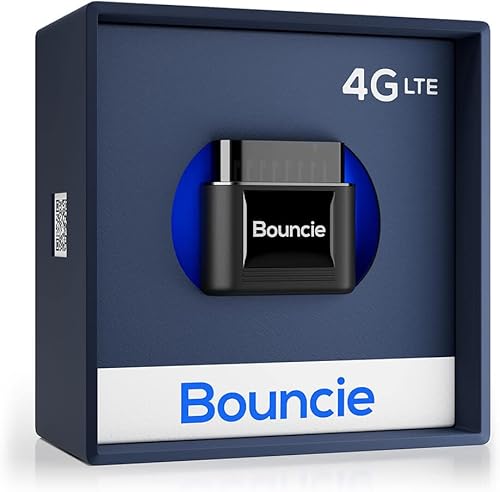
Bouncie GPS Vehicle Tracker
From $60-$80
Plug-in OBD2 GPS tracker with real-time location, trip history, and driving behavior data. Useful for tracking deductible mileage for taxes and for maintaining an independent record of every delivery route.
Check Current Price on AmazonFrequently Asked Questions
Does DoorDash cover you if you get into an accident?
Yes, but only during active deliveries (Periods 2 and 3). DoorDash provides $1 million in third-party liability and contingent collision and comprehensive coverage with a $1,000 deductible once you have accepted an order. Period 1 (app on, waiting for a ping) has no DoorDash coverage at all.
Will my personal car insurance drop me if I drive for DoorDash?
Your insurer won't cancel you for asking about a delivery endorsement. The risk comes from filing a claim for an accident that happened during a delivery without an endorsement in place. At that point, insurers can deny the claim and cancel the policy for misrepresentation.
Is rideshare insurance the same as delivery driver insurance?
They overlap but aren't identical. Rideshare endorsements typically cover Uber and Lyft drivers. Delivery endorsements cover food and grocery delivery apps. Some endorsements cover both. Always confirm which specific platforms are named in the endorsement before buying.
What happens if I get into an accident during Period 1?
Without a delivery endorsement or commercial policy, you almost certainly have no coverage. Your personal policy denies the claim because you were working commercially. The platform won't pay because you hadn't accepted an order yet. You pay entirely out of pocket for damages and injuries.
How much does a delivery driver insurance endorsement cost?
Most rideshare and delivery endorsements add $10 to $25 per month to your existing personal auto premium. The exact figure depends on your insurer, your vehicle, your driving record, and your state. GEICO, Progressive, and State Farm are among the insurers that offer this add-on.
Coverage gaps for delivery drivers aren't hypothetical. They're built into every standard personal auto policy. The fix is straightforward and inexpensive when you act before an accident. Call your insurer today and ask specifically whether your policy covers DoorDash, Uber Eats, or whichever platform you use. If it doesn't, ask about a delivery endorsement. Most offer it. It costs less per month than one order's tip.