
Moving is already a pile of boxes, utility transfers, and sleepless nights. Car insurance rarely makes the sticky-note wall, yet it is one of the fastest ways to accidentally create a coverage gap or pay for the wrong limits. Here is a practical order of operations, what questions to ask your carrier, and how this ties to registration deadlines in most states.
High-intent moment
Compare Quotes for Your New ZIP Code
Rates can swing hundreds of dollars when you move. Run a fresh comparison before you automatically renew with your old brand.
Compare Quotes Now →Takes under 2 minutes · No spam
Step 1: Confirm Your Move Date and Garaging Address
Insurers care where the car sleeps most nights. That is your garaging address. Remote workers who bounce between family homes still need one primary location on the policy. Fudging a cheaper ZIP in another state is fraud and voids coverage if discovered.
Step 2: Shop Insurance as Early as Possible
Once you know the new address, pull quotes in that state. Liability minimums, uninsured motorist rules, and personal injury protection requirements change when you cross some borders. If you rely on deductible strategy today, revisit it after the move: your risk profile and repair costs may differ.

Step 3: Bind the New Policy, Then Cancel the Old One
Timing matters. You want the new policy to start the day the vehicle is garaged in the new state, or earlier if you will drive there under a one-way trip. Only after the new policy is active should you cancel the outgoing coverage, and request written confirmation of both effective dates.
Step 4: Register the Vehicle and Match Insurer Details
The DMV will want proof of insurance that meets local minimums. The name on the registration, loan, and policy should line up. If you finance, tell the lender about the move so loss payee clauses stay valid. Leases work the same way.
If you temporarily live car-light, non-owner insurance might matter between selling one car and buying another. It is not a substitute for an owned vehicle garaged in the driveway.
Mid-move
Lock In New-State Coverage Before the Deadline
Use the comparison tool once your new address is firm.
See Rates Now →Takes under 2 minutes
Step 5: Update Optional Coverage That Depends on Location
Comprehensive claims for hail or theft spike in some regions. If you were borderline on whether you need comprehensive, new weather patterns might flip the math. Remember, lenders usually need full coverage while you owe money, so review gap insurance if you are upside down on a loan.
Roadside and Move-Day Prep (Amazon Picks)
Long drives with a packed car reward basic preparedness: jumper cables in a kit, first aid, and a charged phone. Two verified products from our catalog:
As an Amazon Associate we earn from qualifying purchases.
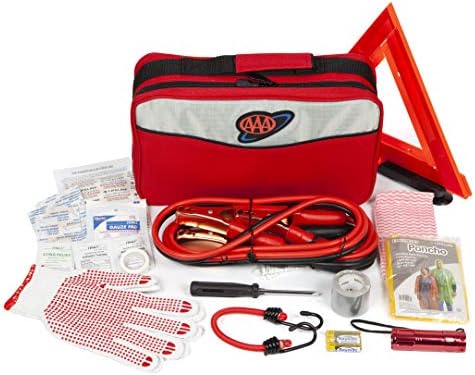
Emergency
Lifeline AAA Roadside Emergency Kit
From $30-$50
Jumper cables, first aid basics, and roadside essentials in one bag for long moving-day drives.
Check price on Amazon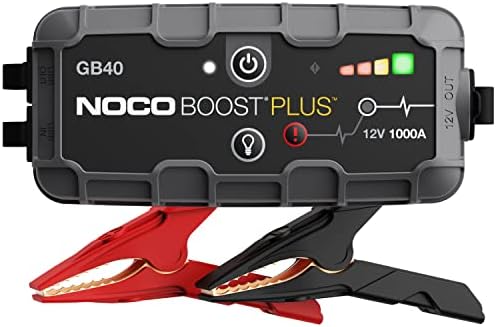
Battery
NOCO Boost Plus GB40 Jump Starter
From $90-$120
Compact lithium jump pack so a dead battery does not strand you during a multi-day move.
Check price on AmazonFAQ
Do I need new car insurance when I move out of state?
Yes. You need a policy issued for your new state of residence that satisfies that state's financial responsibility rules.
How long do I have to change insurance after moving?
DMV windows are often 30 to 90 days, but driving uninsured is never the plan. Bind coverage as soon as you have a fixed address.
Does my national insurer automatically transfer my policy?
Sometimes the same brand writes you again, but it is still a new contract with new documents. You must call and complete the change. Do not assume silence means coverage followed you.
Moving is painful enough without finding out after a parking-lot scrape that your policy still shows your parents' address three states back. Handle insurance in the first week, then enjoy unpacking.