You don't own a car. Maybe you sold it, moved to a city with good transit, or your license was suspended and you're working through the reinstatement process. But you still drive sometimes, borrowing a friend's car, renting for a trip, using Zipcar for errands. The question is whether you're covered when you do. In most cases, you're not as covered as you think. Non-owner car insurance is a specific, inexpensive policy type that fills the gap. Here's who actually needs it and how it works.
Free & No Obligation
Get a Non-Owner Car Insurance Quote in Minutes
Compare rates from GEICO, Progressive, State Farm, and more. Most non-owner policies cost under $500/year.
Compare Quotes Now →Takes under 2 minutes · No spam
What Non-Owner Car Insurance Actually Covers
A non-owner policy is a liability-only policy. That means it covers the other people involved in an accident you cause. Specifically:
- Bodily injury liability: Medical bills, lost wages, and pain and suffering for people you injure in an at-fault accident
- Property damage liability: Repairs to the other vehicle, structures, or property you damage
Your liability coverage follows you as the driver, not the car. So it applies whether you're driving a friend's Honda, a Hertz rental, or a Turo vehicle.
What It Does Not Cover
Non-owner insurance does not cover:
- Damage to the car you were driving, that's the car owner's responsibility, or yours out of pocket
- Your own medical bills after an accident (you'd need separate medical coverage for that)
- Cars you drive regularly that are owned by someone in your household
- Commercial use, if you're driving for pay, this policy won't apply
The household exclusion trips people up. If you live with someone who owns a car and you use it regularly, you need to be listed on their policy, not buy a separate non-owner policy. Non-owner coverage is specifically designed for people who don't have regular access to a household vehicle.
Who Actually Needs Non-Owner Car Insurance
SR-22 Filers Without a Car
This is the most common reason people buy non-owner policies. If your license was suspended, say for a DUI, and you need to file an SR-22 to get reinstated, most states require you to maintain continuous insurance during the SR-22 period. But if you don't own a car, a non-owner policy with SR-22 filing is exactly what you need. The SR-22 filing fee typically adds $25 to $50 to the cost, and the insurer files the certificate with your state's DMV directly.
Frequent Car Borrowers
Consider this scenario: your coworker lends you her car for two weeks while she travels. Her insurance would cover you as a permissive driver for an occasional use, but "two weeks" pushes into territory where her insurer might argue you weren't an occasional driver. And her policy's liability limits apply, not yours. If you cause a serious accident and her limits are $50,000 when damages total $180,000, the gap becomes your financial problem. A non-owner policy adds your own liability layer on top of hers.
Rental Car Users Who Rent More Than Occasionally
If you rent cars 10 or more times a year, the daily collision damage waiver (CDW) from the rental company adds up fast at $15 to $30 per day. A non-owner policy with a rental car rider can cover your liability exposure for the whole year for less than the CDW on a two-week trip. Note: a basic non-owner policy still won't cover damage to the rental car itself, for that, look at CDW or certain credit cards that include rental collision coverage.
Quick Action
Compare Non-Owner Insurance Rates From Major Insurers
GEICO, State Farm, and Nationwide all offer non-owner policies. See which has the best rate for your coverage needs.
See Rates Now →Takes under 2 minutes · No spam
Who Doesn't Need Non-Owner Car Insurance
You probably don't need a non-owner policy if:
- You live in a household with someone who owns a car and you drive it, get listed on their policy instead
- You only rent cars once or twice a year, your credit card's rental coverage or the rental company's CDW is cheaper
- You use only Zipcar, Zipcar includes $300,000 in liability coverage per trip as part of membership
- You never drive at all, you don't need any form of auto insurance
As an Amazon Associate we earn from qualifying purchases. This does not affect what you pay.
Editor Pick
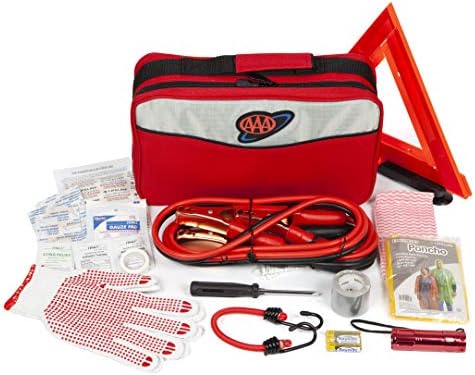
Lifeline AAA Approved Roadside Emergency Kit
From $30-$50
76-piece AAA-approved kit with jumper cables, first aid, flashlight, and more. If you frequently drive borrowed or rented cars, you're often without roadside assistance, this kit handles the most common breakdowns without waiting for a tow.
Check Current Price on AmazonHow Much Non-Owner Car Insurance Costs
Non-owner car insurance typically costs $200 to $500 per year, or roughly $16 to $42 per month. That's significantly less than a standard personal auto policy, which averages around $1,700 per year nationally for full coverage.
| Driver Profile | Estimated Annual Cost |
|---|---|
| Clean record, standard limits | $200-$300 |
| Clean record, higher limits | $300-$400 |
| With SR-22 filing | $350-$600 |
| DUI within 3 years + SR-22 | $500-$900 |
The SR-22 add-on raises the cost mainly because the underlying reason for the SR-22 (a DUI, serious violation, or at-fault accident while uninsured) makes you a higher-risk driver in the insurer's model. The SR-22 filing fee itself is small. The rate increase comes from your driving record. For more on what a DUI does to your insurance costs and how long it lasts, see our full guide on car insurance after a DUI.
Something worth noting: maintaining a non-owner policy while you're between cars keeps your insurance history continuous. A gap in coverage, even one month, can raise your rate significantly when you buy your next car. Insurers treat continuous coverage as a positive risk signal, and a gap as a negative one. If you're planning to buy a car in the next year or two, a non-owner policy for $20/month is cheap gap insurance for your insurance record.
How to Buy a Non-Owner Car Insurance Policy
Most major insurers offer non-owner policies: GEICO, State Farm, Progressive, Nationwide, and others. There's one catch. You usually can't buy them online. Non-owner policies are typically sold by phone or through an independent agent. The online quote tools for most insurers are built around vehicles, they don't have a clean path for non-owner quotes.
Here's the straightforward approach:
- Call at least three insurers directly and ask specifically for a "non-owner auto insurance policy"
- Tell them upfront if you need an SR-22, not all insurers offer SR-22 filing in all states
- Ask about the liability limits available (state minimum vs. 100/300/100 is the usual range)
- Get the annual premium in writing before committing
If you plan to use the policy alongside rental cars, ask whether the policy extends to rental vehicles and whether there are any exclusions for specific rental platforms like Turo. Standard non-owner policies cover traditional rental cars; peer-to-peer platforms are sometimes excluded.
If choosing your coverage limits feels uncertain, our guide on how to choose the right deductible and coverage levels walks through the trade-offs between minimum coverage and higher limits in plain terms. For context on what happens if an underinsured driver hits you, see our overview of when comprehensive and uninsured motorist coverage actually matters.

Editor Pick
resqme Original Emergency Keychain Car Escape Tool (2-Pack)
From $15-$25
2-in-1 seatbelt cutter and window breaker made in the USA. If you spend significant time in borrowed or rented vehicles, you're often in an unfamiliar car without knowing where the safety features are. This attaches to your keychain and stays with you.
Check Current Price on AmazonFrequently Asked Questions
Does non-owner car insurance cover the car I'm driving?
No. A non-owner policy covers only your liability, meaning injuries or property damage you cause to others. It does not pay to repair or replace the borrowed or rented vehicle you were driving. That's the responsibility of the car owner's policy, or yours out of pocket if the owner's policy doesn't cover it.
How much does non-owner car insurance cost?
Typically $200 to $500 per year for a driver with a clean record. With an SR-22 requirement, expect $350 to $600 or more depending on the reason for the SR-22. The cost is much lower than a standard auto policy because it doesn't include collision or comprehensive coverage.
Can I get non-owner car insurance with an SR-22?
Yes. This is one of the primary use cases. If you need to file an SR-22 to reinstate your license but don't own a car, a non-owner policy with SR-22 filing is the standard solution. Not all insurers offer SR-22 filing, so confirm this before getting a quote.
Does non-owner car insurance cover rental cars?
Yes, for liability. If you rent a car and cause an accident, your non-owner policy covers injury and property damage to others. It does not cover damage to the rental car itself. For that, you'd need the rental company's CDW or a credit card benefit that includes rental collision coverage.
Who sells non-owner car insurance?
GEICO, State Farm, Progressive, Nationwide, and most major insurers offer non-owner policies. You'll usually need to call directly or go through an independent agent, since many online quote tools don't offer a non-owner option.
If you don't own a car but drive sometimes, a non-owner policy is one of the more overlooked pieces of financial protection available. It's inexpensive, it maintains your insurance history, and it gives you real liability coverage in situations where "covered by their policy" isn't actually as solid as it sounds. Check your situation against the criteria above, and if you fall into any of the qualifying categories, call at least three insurers for quotes before deciding.