Your insurer wants to watch how you drive. In exchange, they're offering a discount. That sounds like a good deal, until you realize the discount isn't guaranteed, and some drivers end up paying more. Usage-based car insurance comes in two flavors: behavior-based programs that score your driving habits, and pay-per-mile programs that charge based on distance. Both can save you real money. Both have real downsides. Here's the honest breakdown of each.
Free & No Obligation
See If Usage-Based Insurance Could Lower Your Rate
Compare quotes from Progressive, State Farm, Allstate, and 17 other insurers that offer telematics programs.
Compare Quotes Now →Takes under 2 minutes · No spam
How Usage-Based Car Insurance Actually Works
Usage-based insurance (UBI) replaces the traditional model, where your rate depends on demographics and history, with one that weights your actual driving behavior or mileage. The insurer collects real driving data and adjusts your premium accordingly. There are two distinct types, and they work very differently.
Behavior-Based Programs
You install an app or a plug-in OBD2 device. The insurer monitors your driving for a set period, typically 90 days, then assigns you a score. That score determines your discount or surcharge at renewal. Programs in this category include Progressive Snapshot, State Farm Drive Safe and Save, Allstate Drivewise, Nationwide SmartRide, and GEICO DriveEasy.
Pay-Per-Mile Programs
You pay a flat base rate each month plus a per-mile charge. Allstate's Milewise charges roughly $0.06 to $0.08 per mile on top of a base rate around $30 to $50/month depending on your profile. Lemonade (formerly Metromile) uses a similar structure. These programs don't care how you drive, only how much. A driver who racks up 4,000 miles in a year pays dramatically less than one driving 14,000.
What the App or Device Actually Tracks
This is the part that surprises most drivers. Behavior-based programs typically monitor:
- Hard braking, sudden stops are the biggest red flag for most scoring models
- Rapid acceleration, quick starts from traffic lights count against you
- Speed, driving above posted limits, even briefly
- Time of day, late-night driving (midnight to 4 a.m.) is penalized heavily across almost every program
- Phone use, many apps now detect when you handle your phone while moving
- Total miles, most programs factor in mileage alongside behavior
What they don't track: where you go. Behavior-based programs generally don't log destinations, though your GPS position is collected to calculate speed relative to road limits. If location privacy is a priority, pay-per-mile programs using a plug-in device are less invasive than smartphone-based apps.

The Real Savings Numbers
Progressive Snapshot advertises savings of up to 30%, and their published average is $231 per year. State Farm Drive Safe and Save offers up to 30% off for drivers who score well. Allstate Drivewise gives you $100 cash back just for signing up, before any behavioral scoring. These are real numbers. For the right driver, they represent genuine savings.
Who Saves the Most
A retired couple driving a combined 9,000 miles per year, mostly during daytime hours and on familiar routes, is the ideal candidate for a behavior-based program. They're already doing what the app rewards. The 15% to 25% discount they're likely to earn translates to $150 to $300 per year on a typical premium.
A freelance worker who drives 4,500 miles per year is the ideal pay-per-mile candidate. At $0.07/mile plus a $40 base rate, they'd pay roughly $795/year. The same driver on a standard policy in a mid-size city might pay $1,200 to $1,600/year. The savings are substantial.
Who Sees Rates Go Up
About 20% of Progressive Snapshot users see rate increases at renewal. Night-shift workers, new parents doing late-night runs, rideshare and delivery drivers, and anyone who commutes on highways where speed fluctuates are the most at-risk groups. The app doesn't know you were doing 80 mph because traffic was moving at 80 mph, it just records a speed violation against your score.
Quick Action
Compare Standard vs. Telematics Rates Side by Side
See whether switching to a usage-based program actually saves you money for your specific driving profile.
See My Rates →Takes under 2 minutes · No spam
The Pros of Usage-Based Car Insurance
Pros
- Real savings for safe, low-mileage drivers
- Discount just for enrolling (some programs)
- Pay-per-mile is fully transparent, fewer miles always means lower bill
- Encourages safer habits over time
- Can offset a rate increase from a minor at-fault incident
Cons
- Rates can go up if your score is poor
- Night driving, highway commuting, and urban driving hurt scores
- Privacy trade-off: insurer collects detailed driving data
- Pay-per-mile costs more in months with high mileage
- Some programs only available in select states
As an Amazon Associate we earn from qualifying purchases. This does not affect what you pay.

Editor Pick
Tymate Tire Pressure Monitoring System (4-Sensor)
From $40-$60
Real-time tire pressure and temperature alerts. Under-inflated tires trigger hard braking events and reduce handling, two things telematics apps penalize. Monitoring your pressure helps you drive in the range your scoring app rewards.
Check Current Price on AmazonWho Should Skip Usage-Based Insurance
Usage-based insurance isn't for everyone. Skip it if you:
- Work night shifts, drive for a gig platform, or regularly drive between midnight and 4 a.m.
- Have a long highway commute where your speed fluctuates with traffic flow
- Drive 15,000 or more miles per year (pay-per-mile becomes expensive fast)
- Have already received your best rate through other means, good driver discounts, bundling, or a telematics program you already completed
- Have concerns about data privacy that outweigh the potential discount
If you're in one of these situations, the better path is optimizing your existing policy rather than enrolling in a tracking program. Our guide on how to lower car insurance rates covers 10 strategies that work regardless of your driving schedule. Also worth reading: our breakdown of how to choose the right deductible, since adjusting your deductible is often the fastest way to reduce your premium without any data trade-off.
Editor Pick
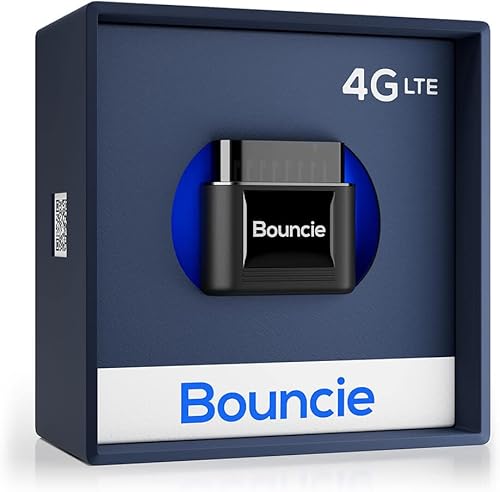
Bouncie GPS Vehicle Tracker
From $60-$80
Plug-in OBD2 GPS tracker with independent trip history and driving behavior data. Use it alongside your insurer's app to verify what's being recorded, and to dispute scores that don't reflect your actual driving.
Check Current Price on AmazonWhich Program Should You Try?
Behavior-Based: Best Options in 2026
- Progressive Snapshot: Widest availability, strong discount potential. Highest risk of rate increase for urban and night drivers.
- State Farm Drive Safe and Save: Up to 30% off. Uses your phone's built-in sensors, no separate device needed.
- Allstate Drivewise: $100 cash just for signing up, plus ongoing discounts. Less aggressive rate penalties than Snapshot.
- GEICO DriveEasy: Good option if you already have GEICO. Monitors phone distraction more than most programs.
Pay-Per-Mile: Best for Low-Mileage Drivers
- Milewise (Allstate): Available in 20+ states. Flat daily rate plus per-mile charge. No behavioral scoring, just mileage.
- Lemonade (formerly Metromile): Strong mobile app, transparent per-mile billing. Good for urban drivers who use transit most days and car occasionally.
Before you enroll in any program, get a baseline quote on a standard policy for comparison. That's the number to beat. And if you're also thinking about whether GAP insurance or comprehensive coverage make sense for your situation, both are worth evaluating alongside any telematics enrollment.
Frequently Asked Questions
Can usage-based insurance raise your rates?
Yes. Behavior-based programs like Progressive Snapshot can raise rates if the app records risky habits: hard braking, fast acceleration, late-night driving, or phone use while driving. About 20% of Snapshot users see a rate increase at renewal. Pay-per-mile programs can't raise your rate based on behavior, but months with high mileage cost more.
What does a telematics insurance app actually track?
Most apps track speed, hard braking events, rapid acceleration, time of day (night driving is penalized), phone use while driving, and total miles driven. Some also track cornering force. They collect GPS position to verify speed against posted limits but generally don't log your destinations.
Is pay-per-mile insurance worth it for low-mileage drivers?
Generally yes, if you drive under 8,000 miles per year. At roughly $0.06 to $0.08 per mile plus a base rate, a driver doing 5,000 miles per year could save $300 to $500 compared to a standard policy.
Which insurers offer usage-based car insurance?
Major options include Progressive Snapshot, State Farm Drive Safe and Save, Allstate Drivewise, Nationwide SmartRide, and GEICO DriveEasy for behavior-based programs. For pay-per-mile, Milewise (Allstate) and Lemonade are the primary options.
Does usage-based insurance affect your privacy?
Yes. The app tracks your location, driving patterns, and in some cases phone activity. This data is stored by the insurer and used to set your rate. If privacy is a concern, pay-per-mile programs that use a plug-in device and only track mileage are less intrusive than smartphone-based apps.
Usage-based insurance works well for a specific type of driver: someone who drives safely, keeps reasonable hours, and doesn't rack up huge mileage. If that's you, the savings are real and the enrollment process is easy. If your schedule or driving style doesn't fit the mold, a well-negotiated standard policy will serve you better. Compare both options with actual rate quotes before deciding.